
Sign in to customer portal

Buying and Industry Uses of Zinc Sulfate

Buying and Industry Uses of Zinc Sulfate


August 12th, 2024

Introduction

Buying Zinc Sulfate can be a versatile compound with a wide range of applications across various industries. Known for its essential role in agriculture, animal nutrition, and industrial processes, Zinc Sulfate plays a critical part in promoting growth, enhancing product quality, and supporting sustainable practices. In this article, we will explore the diverse applications of Zinc Sulfate, its benefits, and why it is an indispensable ingredient in many industries.

What is Zinc Sulfate?

Zinc Sulfate is an inorganic compound composed of zinc, sulfur, and oxygen. It is typically found in its heptahydrate form, meaning it contains seven molecules of water. The compound is highly soluble in water, making it easy to incorporate into various applications. Its versatility and efficacy have made it a valuable ingredient in agriculture, animal feed, pharmaceuticals, and more.

Agricultural Applications for Zinc Sulfate

  1. Soil Fertilization
    • Zinc is an essential micronutrient for plants, crucial for several physiological functions, including enzyme activation, protein synthesis, and growth regulation. Zinc Sulfate is used as a soil additive to correct zinc deficiencies, which can lead to stunted growth and poor crop yields.
    • Regular application improves crop quality and yield, making it a key component in modern agricultural practices. Crops such as corn, wheat, and rice particularly benefit from zinc supplementation.
  2. Foliar Sprays
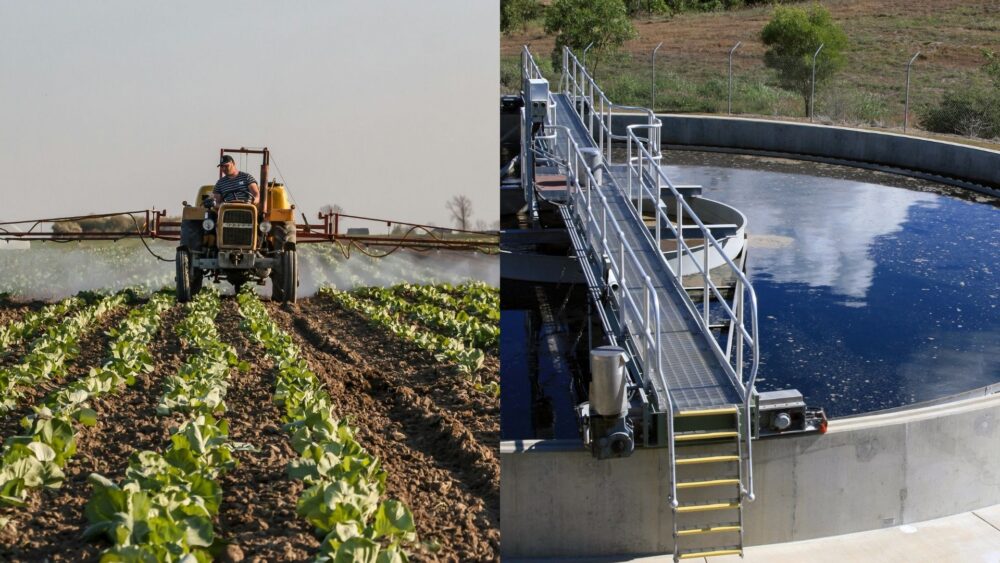
    • Zinc Sulfate can also be applied directly to plant leaves as a foliar spray. This method is especially effective for quickly correcting zinc deficiencies in crops, as it allows for rapid absorption and utilization by the plant.
    • Foliar application can lead to immediate improvements in plant health, resulting in stronger growth and increased resistance to environmental stressors.

Animal Nutrition

  1. Nutritional Supplement
    • Zinc is a vital mineral for animals, necessary for immune function, skin health, and overall growth. Zinc Sulfate is commonly added to animal feed as a dietary supplement to ensure that livestock receive adequate levels of this essential nutrient.
    • Supplementing animal diets with Zinc Sulfate supports optimal growth and development, improves reproductive performance, and enhances overall health.
  2. Preventing Zinc Deficiency
    • Zinc deficiency in animals can lead to a range of health issues, including poor growth, weakened immune response, and skin lesions. By incorporating Zinc Sulfate into animal feed, farmers can prevent these deficiencies and promote the well-being of their livestock.
    • Ensuring adequate zinc intake is particularly important in young, growing animals, where the demand for this nutrient is higher.

Industrial Applications

  1. Chemical Manufacturing
    • Zinc Sulfate is used as a raw material in the production of various chemicals, including zinc-based pigments, zinc stearate, and other zinc compounds. Its high solubility and purity make it an ideal choice for chemical synthesis.
    • It also plays a role in the production of rayon, a type of synthetic fiber, where it is used in the coagulation process.
  2. Water Treatment
    • In water treatment processes, Zinc Sulfate is used to remove contaminants and improve water quality. It acts as a coagulating agent, helping to precipitate impurities out of the water, making it easier to filter and purify.
    • This application is particularly important in industrial water treatment, where maintaining water quality is critical for both environmental protection and process efficiency.
  3. Electroplating
    • Zinc Sulfate is a key component in the electroplating industry, where it is used in zinc plating processes to provide a protective layer on metal surfaces. This layer protects the underlying metal from corrosion, extending its lifespan and improving its appearance.
    • Zinc plating is widely used in automotive, construction, and consumer goods industries, where durability and aesthetics are paramount.

Pharmaceutical Applications

  1. Medicinal Uses
    • Zinc Sulfate is used in the pharmaceutical industry as a source of zinc in dietary supplements and medicines. It is particularly effective in treating zinc deficiency in humans, which can lead to immune dysfunction, skin problems, and delayed wound healing.
    • It is also used in the formulation of topical treatments for skin conditions, such as acne and dermatitis, due to its anti-inflammatory and healing properties.
  2. Oral Rehydration Solutions
    • Zinc Sulfate is an important ingredient in oral rehydration solutions (ORS) used to treat dehydration, particularly in children suffering from diarrhea. Zinc helps to reduce the severity and duration of diarrhea, improving recovery rates and preventing complications.
    • The inclusion of Zinc Sulfate in ORS has been recognized by global health organizations as a critical intervention in reducing child mortality rates in developing countries.

Environmental Benefits

  1. Sustainable Agriculture
    • The use of Zinc Sulfate in agriculture promotes sustainable farming practices by enhancing soil fertility and crop yields without relying on harmful synthetic chemicals. By correcting zinc deficiencies in soil, farmers can achieve higher productivity with less environmental impact.
    • Zinc Sulfate is also environmentally friendly, as it is non-toxic and does not accumulate in the soil, making it a safe choice for long-term use.
  2. Wastewater Treatment
    • Zinc Sulfate’s role in water treatment contributes to environmental protection by ensuring that wastewater discharged into the environment meets safety standards. By removing harmful contaminants, it helps to protect aquatic ecosystems and maintain water quality.

Conclusion

This ingredient is a multifaceted compound with extensive applications in agriculture, animal nutrition, industry, and pharmaceuticals. Its ability to enhance growth, improve health, and support sustainable practices makes it an invaluable resource.

Explore how Zinc Sulfate can benefit your industry. Contact Valudor today at info@valudor.com or call (760) 635-8500 to learn more about our high-quality products and how they can support your operations.


Get to Know Valudor®


The Benefits and Uses of Magnesium Sulfate Heptahydrate 9.8% (Epsom Salt)

The Benefits and Uses of Magnesium Sulfate Heptahydrate 9.8% (Epsom Salt)


August 12th, 2024

Introduction

Magnesium Sulfate Heptahydrate 9.8%, commonly known as Epsom Salt, is a versatile compound with a wide range of applications. Its benefits span across agriculture, animal feed, and other industries, making it an essential ingredient in many formulations. This blog post delves into the various uses and advantages of Epsom Salt, providing insights into how it can benefit your business.

What is Epsom Salt?

Epsom Salt, scientifically referred to as Magnesium Sulfate Heptahydrate 9.8%, is a chemical compound comprising magnesium, sulfur, and oxygen. Known for its high solubility in water, this compound is a great buy and widely used in various industries due to its beneficial properties.

Agricultural Benefits Of Magnesium Sulfate Heptahydrate 9.8% For Your Business

  1. Soil Health Improvement

    • Epsom Salt enhances soil quality by increasing magnesium levels, essential for chlorophyll production.
    • It helps plants absorb phosphorus and nitrogen more effectively, leading to healthier growth.

    Boosting Crop Yield

    • Regular application of this compound can significantly increase crop yield.
    • It’s especially beneficial for crops like tomatoes, peppers, and roses, which require high magnesium levels.

Animal Feed Applications for Magnesium Sulfate Heptahydrate 9.8%

  1. Nutrient Supplement

    • Epsom Salt is an excellent source of magnesium for animal feed, crucial for bone development and enzyme function.
    • It helps in the prevention of grass tetany, a common condition in livestock.

    Improving Digestive Health

    • It aids in digestion by regulating digestive enzymes, ensuring optimal nutrient absorption.
    • The compound also helps in the detoxification process, removing harmful substances from the animal’s body.

Industrial Uses

  1. Oil and Gas Industry

    • Epsom Salt is used in the oil and gas industry for water treatment and drilling muds.
    • It helps in stabilizing clay and improving the viscosity of drilling fluids.

    Construction Industry

    • It acts as a setting agent in the construction industry, used in the preparation of certain types of cement.
    • Epsom Salt is also used in fireproofing materials due to its flame retardant properties.

Environmental Benefits

  1. Eco-Friendly

    • This compound is non-toxic and safe for the environment.
    • Its application helps in reducing the dependency on synthetic chemicals, promoting sustainable practices.

    Water Treatment

    • Epsom Salt is used in wastewater treatment processes to remove heavy metals and other contaminants.
    • It helps in maintaining the pH balance of water, making it safe for discharge into natural water bodies.

Conclusion

Magnesium Sulfate Heptahydrate 9.8% (Epsom Salt) is a multifaceted compound with extensive benefits across various industries. Whether you are looking to improve soil health, boost crop yields, or enhance animal nutrition, this compound offers a reliable and effective solution.

Discover the full potential of Epsom Salt for your industry. Contact Valudor today at info@valudor.com or call (760) 635-8500 to learn more about our high-quality products and how they can benefit your operations.

Get to Know Valudor®


Phosphoric Acid FG: Applications, Benefits, and Industry Uses

Phosphoric Acid FG: Applications, Benefits, and Industry Uses


August 12th, 2024

Introduction

Phosphoric Acid FG (Food Grade) is a highly versatile chemical compound that plays a crucial role in various industries, including food and beverage, agriculture, pharmaceuticals, and water treatment. Known for its purity and efficacy, Phosphoric Acid FG is a critical ingredient in numerous applications, where quality and safety are of paramount importance. In this article, we will explore the wide range of uses and benefits of Phosphoric Acid FG, and why it is a valuable asset in both industrial and consumer products.

What is Phosphoric Acid FG?

Phosphoric Acid FG is a mineral acid derived from phosphate rock. The “FG” designation indicates that this specific grade of phosphoric acid meets stringent food-grade standards, making it safe for use in food and beverage products. Phosphoric Acid FG is known for its high level of purity, stability, and its ability to impart a tangy flavor or act as a preservative in various formulations.

Applications in the Food and Beverage Industry

  1. Acidulant in Beverages
    • One of the most common uses of Phosphoric Acid FG is as an acidulant in soft drinks, particularly in colas. It provides a sharp, tangy taste that balances the sweetness of the beverage and enhances its overall flavor profile.
    • Phosphoric Acid FG also helps to inhibit the growth of bacteria and molds, contributing to the preservation and shelf life of the product.
  2. pH Regulator
    • In the food industry, Phosphoric Acid FG is used to regulate the pH levels of various products, ensuring consistency and stability. It is often added to processed foods, cheeses, and jams to maintain the desired acidity, which is crucial for taste, texture, and safety.
    • Proper pH regulation also plays a significant role in preventing spoilage and extending the shelf life of food products.
  3. Nutrient Source
    • Phosphoric Acid FG serves as a source of phosphorus, an essential nutrient for human health. It is used in the fortification of certain food products, helping to supplement dietary intake of phosphorus.
    • Phosphorus is vital for the formation of bones and teeth, energy production, and the regulation of cellular functions.
  4. Leavening Agent
    • Phosphoric Acid FG is a key component in the production of baking powder, where it acts as a leavening agent. It reacts with baking soda to produce carbon dioxide gas, which helps dough and batter rise, resulting in light and fluffy baked goods.

Agricultural Applications of Phosphoric Acid

  1. Fertilizer Production
    • Phosphoric Acid FG is used in the manufacture of phosphate fertilizers, which are essential for promoting plant growth and improving crop yields. It provides a readily available source of phosphorus, a critical nutrient for plant development.
    • These fertilizers are used in a wide range of agricultural applications, from large-scale farming to home gardening, to enhance soil fertility and boost productivity.
  2. Animal Feed Supplement
    • In the agriculture industry, Phosphoric Acid FG is also used as a supplement in animal feed. It helps to provide essential phosphorus to livestock, which is necessary for bone development, energy metabolism, and overall health.
    • Ensuring adequate phosphorus intake through feed supplements like Phosphoric Acid FG contributes to healthier and more productive livestock.

Industrial Applications

  1. Metal Treatment
    • Phosphoric Acid FG is widely used in metal treatment processes, including rust removal and surface preparation. It reacts with metal oxides to form a stable phosphate layer, which prevents further corrosion and prepares the surface for painting or coating.
    • This application is particularly valuable in the automotive, aerospace, and construction industries, where metal durability and longevity are critical.
  2. Water Treatment
    • In water treatment facilities, Phosphoric Acid FG is used to control pH levels, prevent scale formation, and inhibit corrosion in pipelines and boilers. Its effectiveness in maintaining water quality makes it a valuable component in both industrial and municipal water treatment systems.
    • Phosphoric Acid FG also helps in the removal of heavy metals and other contaminants from water, ensuring that it meets safety and environmental standards.
  3. Pharmaceuticals
    • It can be used in the pharmaceutical industry as a component in the production of certain medications and dental products. It is often found in anti-nausea drugs and dental etching solutions, where it plays a role in both efficacy and safety.
    • The purity and stability make it suitable for these sensitive applications, where precise formulation and adherence to quality standards are essential.

Environmental and Safety Considerations

  1. Eco-Friendly Applications
    • Phosphoric Acid FG is considered environmentally friendly when used responsibly, as it is a naturally occurring substance that can be safely neutralized and disposed of in accordance with regulatory guidelines.
    • Its use in fertilizers and water treatment contributes to sustainable practices by promoting efficient nutrient use and reducing environmental impact.
  2. Safe Handling and Usage
    • While safe for use in food and beverage products, it must be handled with care in industrial settings. Proper safety protocols, including the use of personal protective equipment (PPE), are essential to prevent exposure and ensure safe handling.
    • In case of spills or accidental contact, it is important to follow appropriate first aid measures and seek medical attention if necessary.

Conclusion

Phosphoric Acid FG is a highly versatile and valuable compound with extensive applications across various industries. From enhancing the flavor and stability of food products to promoting plant growth and protecting metal surfaces, it plays a critical role in both industrial and consumer applications.

If you’re looking to incorporate Phosphoric Acid FG into your products or processes, contact Valudor today at info@valudor.com or call (760) 635-8500. Our high-quality products can help you achieve your goals with confidence and precision.

Get to Know Valudor®


Potassium Nitrate: Maximizing Agricultural and Industrial Potential

Potassium Nitrate: Maximizing Agricultural and Industrial Potential


September 4th, 2024

Introduction

Potassium Nitrate is a vital compound widely used in various industries, particularly in agriculture. Known for its dual-nutrient profile, it contains both potassium (K) and nitrogen (N), two essential elements that significantly contribute to plant health and growth. In this blog post, we will explore the applications, benefits, and seasonal uses of Potassium Nitrate, focusing on how it can optimize both agricultural output and industrial processes. Whether you’re a farmer aiming to boost crop yields or an industrial operator seeking reliable raw materials, understanding the role of Potassium Nitrate can provide a substantial advantage.

Applications of Potassium Nitrate

Potassium Nitrate’s versatility makes it an essential ingredient in multiple industries, from agriculture to manufacturing. Let’s break down its most common applications:

1. Agriculture

In agriculture, Potassium Nitrate is primarily used as a high-efficiency fertilizer. It supplies plants with two critical nutrients: potassium and nitrogen. Potassium is crucial for various physiological processes in plants, including water regulation, enzyme activation, and photosynthesis. Nitrogen, on the other hand, is a key component of amino acids, the building blocks of proteins, and is vital for vegetative growth.

  • Fertigation: Highly soluble in water, making it ideal for fertigation (the application of fertilizers through irrigation systems). It ensures uniform distribution of nutrients to the plants, leading to consistent growth and development.
  • Foliar Feeding: In some cases, Potassium Nitrate is applied as a foliar spray. This method provides a quick nutrient boost directly to the plant leaves, particularly during critical growth stages such as flowering and fruiting.
  • Soil Amendment: Often used to amend soils that are deficient in potassium and nitrogen, improving overall soil fertility and crop yield.

2. Industrial Applications

Beyond agriculture, Potassium Nitrate is an integral component in various industrial processes:

  • Glass Manufacturing: Used as an oxidizing agent in the production of glass. It helps improve the quality of the glass by reducing the occurrence of defects and enhancing its durability.
  • Explosives and Pyrotechnics: In the explosives industry, Potassium Nitrate is a key ingredient in the manufacture of gunpowder and other explosives. Its oxidizing properties make it essential in these applications. It is also used in fireworks to produce vibrant colors.
  • Food Preservation: Potassium Nitrate has been historically used as a preservative in the food industry, particularly in curing meats. While its use in food has decreased due to the availability of other preservatives, it remains a critical component in some traditional preservation methods.

Benefits of Potassium Nitrate

Understanding the benefits of Potassium Nitrate is essential for maximizing its potential in both agricultural and industrial settings.

1. Enhanced Plant Growth and Yield

Potassium Nitrate is highly valued in agriculture due to its ability to promote healthy plant growth and increase crop yields. The potassium strengthens plant cell walls, making them more resistant to disease and environmental stressors. Nitrogen supports vegetative growth, ensuring that plants develop robust stems and leaves. Together, these nutrients help plants produce more fruit and higher-quality crops.

2. Improved Water Efficiency

Potassium Nitrate plays a crucial role in regulating water uptake in plants. Potassium is involved in the opening and closing of stomata, the tiny pores on plant leaves that control water loss. By ensuring that plants use water more efficiently, it helps them withstand drought conditions better, making it an invaluable tool in water-scarce regions.

3. High Solubility and Purity

One of the key advantages of Potassium Nitrate is its high solubility, which makes it easy to apply through various methods, including fertigation and foliar feeding. Its purity ensures that plants receive the nutrients they need without the risk of soil contamination from unwanted elements.

4. Versatility in Industrial Applications

In industrial settings, Potassium Nitrate’s versatility is unmatched. Its role as an oxidizing agent in glass manufacturing, explosives, and pyrotechnics showcases its ability to adapt to various chemical processes. This versatility, combined with its effectiveness, makes Potassium Nitrate a preferred choice in many industries.

Seasonal Uses of Potassium Nitrate

To maximize the benefits of Potassium Nitrate, it’s important to apply it at the right time. Here’s a seasonal guide to using Potassium Nitrate effectively:

1. Spring

In the spring, Potassium Nitrate is applied to support early plant growth. As plants emerge from dormancy, they require a boost of nutrients to kickstart the growing season. Applying Potassium Nitrate during this time ensures that plants have the potassium and nitrogen they need to develop strong roots, stems, and leaves.

2. Summer

During the summer, it can help plants cope with heat and drought stress. Its role in regulating water uptake is particularly valuable during this season, as it helps plants maintain hydration and continue growing even in challenging conditions. Fertigation and foliar feeding with Potassium Nitrate can be particularly effective during the peak growing season.

3. Fall

In the fall, it is used to prepare plants for the winter months. Applying it after the harvest helps replenish soil nutrients that have been depleted during the growing season. This practice not only improves soil fertility but also ensures that plants are ready to emerge strong and healthy in the spring.

4. Winter

In regions with mild winters, it can be applied to maintain soil fertility during the dormant season. While plant growth slows down in the winter, the roots continue to absorb nutrients from the soil. Ensuring that the soil remains nutrient-rich during this time can lead to a more successful growing season in the spring.

Conclusion

Potassium Nitrate is a versatile and valuable compound that offers significant benefits in both agricultural and industrial applications. Its ability to enhance plant growth, improve water efficiency, and serve various industrial purposes makes it an essential tool for farmers and manufacturers alike. By understanding its applications, benefits, and seasonal uses, you can make informed decisions that optimize your operations.

Get a Quote

If you’re interested in learning more about how this ingredient benefit your agricultural or industrial processes, contact Valudor today at info@valudor.com or (760) 635-8500. The team at Valudor is ready to assist you with high-quality, reliable products.

Get to Know Valudor®


Calcium Nitrate Tetrahydrate: A Vital Resource for Agriculture and Water Treatment

Calcium Nitrate Tetrahydrate: A Vital Resource for Agriculture and Water Treatment


September 4th, 2024

Introduction

Calcium Nitrate Tetrahydrate is a versatile chemical compound with significant applications in both agriculture and water treatment. In agriculture, it serves as a critical source of calcium and nitrogen—two nutrients that are essential for plant health and development. In water treatment, it is used to prevent the formation of hydrogen sulfide, a toxic gas that can cause odor issues and pose health risks. In this comprehensive blog post, we will delve into the applications, benefits, and seasonal uses of Calcium Nitrate Tetrahydrate, highlighting its importance in promoting plant growth and ensuring water quality.

Applications of Calcium Nitrate Tetrahydrate

Calcium Nitrate Tetrahydrate is widely used in various industries due to its unique properties. Here’s how it’s applied:

1. Agriculture

In agriculture, this ingredient is primarily used as a fertilizer that provides plants with readily available calcium and nitrogen.

  • Soil Amendment: Often used to amend soils that are deficient in calcium. This is particularly important for crops that are sensitive to calcium deficiency, such as tomatoes, peppers, and lettuce.
  • Foliar Spray: In addition to being applied directly to the soil, Calcium Nitrate Tetrahydrate can also be used as a foliar spray. This method delivers calcium directly to the leaves, where it is quickly absorbed and utilized by the plant.
  • Blossom End Rot Prevention: One of the most common applications of Calcium Nitrate Tetrahydrate in agriculture is the prevention of blossom end rot in fruits like tomatoes and peppers. This condition is caused by a lack of calcium and can lead to significant crop losses if not addressed.

2. Water Treatment

In water treatment, Calcium Nitrate Tetrahydrate is used to control odors and improve water quality.

  • Hydrogen Sulfide Control: One of the primary applications of Calcium Nitrate Tetrahydrate in water treatment is the prevention of hydrogen sulfide formation. Hydrogen sulfide is a toxic gas that can cause foul odors and pose serious health risks. By inhibiting the production of hydrogen sulfide, Calcium Nitrate Tetrahydrate helps maintain a safe and odor-free water supply.
  • Nutrient Removal: Calcium Nitrate Tetrahydrate is also used in the removal of phosphates from wastewater. Phosphates can contribute to the growth of harmful algae in water bodies, leading to eutrophication. By removing these nutrients, Calcium Nitrate Tetrahydrate helps protect aquatic ecosystems.

Benefits of Calcium Nitrate Tetrahydrate

This ingredient offers several key benefits that make it invaluable in agriculture and water treatment:

1. Promotes Healthy Plant Growth

Calcium is essential for the development of strong cell walls in plants. Without sufficient calcium, plants can suffer from stunted growth and a range of physiological disorders. It provides an immediately available source of calcium, ensuring that plants have the nutrients they need to thrive. The nitrogen component further supports vegetative growth, leading to more vigorous and productive plants.

2. Prevents Crop Disorders

Calcium Nitrate Tetrahydrate is particularly effective in preventing blossom end rot, a common disorder in fruits and vegetables caused by calcium deficiency. By ensuring an adequate supply of calcium, this compound helps prevent crop losses and improve yield quality.

3. Enhances Water Quality

In water treatment, Calcium Nitrate Tetrahydrate plays a crucial role in maintaining water quality by preventing the formation of hydrogen sulfide and removing excess nutrients like phosphates. This not only improves the safety and odor of water but also protects aquatic environments from pollution.

4. High Solubility and Efficiency

Calcium Nitrate Tetrahydrate is highly soluble in water, making it easy to apply in both agricultural and water treatment settings. Its high solubility ensures that it is quickly absorbed by plants and effectively utilized in water treatment processes.

Seasonal Uses of Calcium Nitrate Tetrahydrate

The use of Calcium Nitrate Tetrahydrate can vary depending on the season and specific needs:

1. Spring

In the spring, Calcium Nitrate Tetrahydrate is applied to support the early growth of crops. As plants emerge from dormancy, they require a boost of nutrients to develop strong roots, stems, and leaves. Applying Calcium Nitrate Tetrahydrate during this time ensures that crops have the calcium and nitrogen they need to thrive.

2. Summer

During the summer, Calcium Nitrate Tetrahydrate is used to prevent calcium-related disorders like blossom end rot. It can be applied as a soil amendment or foliar spray, depending on the specific needs of the crop. This is particularly important for fruits and vegetables that are sensitive to calcium deficiency.

3. Fall

In the fall, Calcium Nitrate Tetrahydrate is used to replenish soil nutrients after the growing season. This helps prepare the soil for the next planting season and ensures that crops have access to essential nutrients as they begin to grow.

4. Winter

In regions with mild winters, Calcium Nitrate Tetrahydrate can be applied to maintain soil fertility during the dormant season. This is especially important for perennial crops that continue to grow during the winter months. In water treatment, its use continues year-round, ensuring that water quality is maintained even during colder months.

Conclusion

This powerful ingredient is a vital resource for both agriculture and water treatment, offering numerous benefits that enhance plant growth and improve water quality. Whether you’re looking to prevent crop disorders or maintain a clean water supply, it provides the solutions you need.

Get a Quote

If you’re interested in learning more about how it can benefit your agricultural or water treatment processes, contact Valudor today at info@valudor.com or (760) 635-8500. The team at Valudor is ready to assist you with high-quality, reliable products.

Get to Know Valudor®


Ammonium Chloride (Feed Grade): Essential for Livestock Health and Nutrition

Ammonium Chloride (Feed Grade): Essential for Livestock Health and Nutrition


September 4th, 2024

Introduction

Ammonium Chloride Feed Grade is an essential ingredient in animal nutrition, playing a critical role in maintaining the health and productivity of livestock. As a source of nitrogen, Ammonium Chloride supports protein synthesis, which is vital for the growth and development of animals. It is particularly beneficial in the diets of ruminants like cattle and sheep, where it helps prevent common health issues such as urinary calculi. In this blog post, we will explore the various applications, benefits, and seasonal uses of Ammonium Chloride Feed Grade in livestock management. Read below for valuable insights for farmers and feed manufacturers alike.

Applications of Ammonium Chloride Feed Grade

Ammonium Chloride is widely used in the animal feed industry for several important reasons:

1. Source of Nitrogen

Ammonium Chloride is a highly effective source of nitrogen, an essential nutrient for protein synthesis in animals. It is often added to feed formulations to ensure that livestock receive the necessary nutrients to support their growth, reproduction, and overall health.

2. Prevention of Urinary Calculi

Urinary calculi, commonly known as bladder stones, can be a significant health issue in livestock, particularly in ruminants like cattle, sheep, and goats. Ammonium Chloride helps prevent the formation of these stones by acidifying the urine, which reduces the likelihood of stone formation. This makes it an invaluable addition to the diets of animals at risk of developing urinary calculi.

3. Maintaining Acid-Base Balance

Ammonium Chloride is also used to maintain the acid-base balance in animal diets. A proper balance is crucial for various physiological processes, including digestion and metabolism. By ensuring that the diet is not overly alkaline, Ammonium Chloride helps maintain optimal conditions for nutrient absorption and overall health.

Benefits of Ammonium Chloride (Feed Grade)

The benefits of incorporating Ammonium Chloride Feed Grade into livestock diets are numerous:

1. Enhanced Growth and Productivity

By providing a readily available source of nitrogen, Ammonium Chloride supports protein synthesis, which is essential for growth and muscle development in livestock. This leads to improved weight gain, higher milk production, and overall better performance in animals.

2. Prevention of Health Issues

Ammonium Chloride’s role in preventing urinary calculi cannot be overstated. By reducing the risk of this painful and potentially life-threatening condition, Ammonium Chloride helps ensure the well-being of livestock, which in turn leads to more consistent production and fewer losses.

3. Improved Feed Efficiency

Ammonium Chloride can enhance feed efficiency by improving nutrient absorption and utilization. This means that animals can achieve better growth and productivity with the same or even lower amounts of feed, making it a cost-effective addition to livestock diets.

4. Support for Reproductive Health

Adequate nitrogen intake is crucial for reproductive health in livestock. Ammonium Chloride helps ensure that animals have the necessary nutrients to support fertility and successful breeding, which is essential for maintaining herd or flock size and productivity.

Seasonal Uses of Ammonium Chloride (Feed Grade)

While Ammonium Chloride Feed Grade is used year-round, its importance can vary with the seasons:

1. Winter

During the winter months, livestock require additional nutrients to maintain body temperature and overall health. Ammonium Chloride provides a vital source of nitrogen during this time, supporting increased protein synthesis and energy production.

2. Spring

In the spring, as animals begin to graze on new pasture, the inclusion of Ammonium Chloride in their diet can help prevent dietary imbalances that might occur with the transition from stored feed to fresh forage. This is particularly important for preventing urinary calculi, which can be more common when animals first start grazing on lush, high-protein pastures.

3. Summer

During the summer, the risk of heat stress in livestock increases. Ammonium Chloride can help maintain acid-base balance during this time, supporting proper hydration and reducing the risk of health issues related to high temperatures.

4. Fall

In the fall, as animals prepare for the winter months, Ammonium Chloride continues to play a role in supporting overall health and productivity. It ensures that animals maintain their body condition and are well-prepared for the colder season ahead.

Conclusion

Ammonium Chloride (Feed Grade) is an indispensable component of livestock nutrition, offering numerous benefits that support the health, productivity, and well-being of animals. From preventing urinary calculi to enhancing growth and reproductive health, its applications are essential for maintaining a thriving herd or flock.

Get a Quote

If you’re interested in incorporating Ammonium Chloride (Feed Grade) into your livestock feed formulations, contact Valudor today at info@valudor.com or (760) 635-8500. The team at Valudor is ready to assist you with high-quality, reliable products.

Get to Know Valudor®


Magnesium Nitrate (Beads and Liquid): Enhancing Agricultural Yield and Industrial Processes

Magnesium Nitrate (Beads and Liquid): Enhancing Agricultural Yield and Industrial Processes


September 4th, 2024

Introduction

Magnesium Nitrate is a highly versatile compound available in both beads and liquid forms, widely used in agriculture and various industrial applications. This essential nutrient combination of magnesium and nitrate plays a crucial role in plant health, supporting everything from photosynthesis to protein synthesis. Additionally, its industrial applications range from chemical manufacturing to wastewater treatment. In this blog, we’ll explore the applications, benefits, and seasonal uses of Magnesium Nitrate, focusing on how it can improve both agricultural productivity and industrial efficiency.

Applications of Magnesium Nitrate

Magnesium Nitrate serves multiple purposes across different industries. Let’s explore its key applications:

1. Agriculture

Magnesium Nitrate is primarily used as a fertilizer in agriculture, where it supplies plants with magnesium and nitrogen—two vital nutrients for plant growth.

  • Fertigation: Magnesium Nitrate is highly soluble, making it ideal for fertigation. When applied through irrigation systems, it ensures that crops receive a steady supply of nutrients, leading to consistent and healthy growth.
  • Foliar Feeding: In situations where plants need an immediate nutrient boost, Magnesium Nitrate is applied as a foliar spray. This method delivers nutrients directly to the leaves, allowing for quick absorption and visible improvement in plant health.
  • Soil Amendment: Magnesium Nitrate is also used to amend soils that are deficient in magnesium and nitrogen. This helps improve soil structure and fertility, which in turn boosts crop yields.

2. Industrial Applications

In addition to its agricultural uses, it’s is employed in various industrial processes:

  • Chemical Manufacturing: Magnesium Nitrate is used as a raw material in the production of other chemicals, such as concentrated nitric acid. Its high purity and reactivity make it an essential component in these processes.
  • Wastewater Treatment: In wastewater treatment facilities, Magnesium Nitrate is used to control odors by preventing the formation of hydrogen sulfide. It also aids in the removal of phosphates, improving water quality.
  • Explosives and Pyrotechnics: Magnesium Nitrate is a key ingredient in the manufacture of explosives and fireworks. Its role as an oxidizer helps produce vibrant colors and enhance the stability of explosive compounds.

Benefits of Magnesium Nitrate

Magnesium Nitrate offers a range of benefits that make it indispensable in both agriculture and industry.

1. Supports Healthy Plant Growth

Magnesium is a central component of chlorophyll, the molecule responsible for photosynthesis. Without adequate magnesium, plants cannot produce the energy they need to grow. Magnesium Nitrate provides a readily available source of this essential nutrient, ensuring that plants remain healthy and productive. The nitrate component supplies nitrogen, which is crucial for vegetative growth and the synthesis of proteins.

2. High Solubility and Purity

Magnesium Nitrate is highly soluble in water, making it easy to apply through various methods such as fertigation and foliar feeding. Its high purity ensures that it delivers the necessary nutrients without introducing unwanted elements into the soil or water.

3. Enhances Nutrient Uptake

The nitrate helps improve the uptake of other nutrients, particularly calcium and potassium. This synergistic effect enhances overall plant health and increases resistance to diseases and environmental stressors.

4. Versatility in Industrial Applications

Its versatility extends beyond agriculture. Its role in chemical manufacturing, wastewater treatment, and explosives production showcases its adaptability and importance in a wide range of industrial processes.

Seasonal Uses of Magnesium Nitrate

To maximize the benefits, it’s important to apply it during the appropriate seasons. Here’s a seasonal guide to its use:

1. Spring

In the spring, it is applied to support early plant growth. As plants emerge from dormancy, they require a steady supply of nutrients to develop strong roots, stems, and leaves. Applying Magnesium Nitrate at this stage helps set the foundation for a successful growing season.

2. Summer

During the summer, plants often experience stress due to high temperatures and limited water availability. Magnesium Nitrate helps plants cope with these challenges by improving water efficiency and supporting photosynthesis. Fertigation and foliar feeding are particularly effective during the peak growing season.

3. Fall

In the fall, Magnesium Nitrate is used to prepare crops for the upcoming winter. Applying it after the harvest helps replenish soil nutrients that have been depleted during the growing season. This practice not only improves soil fertility but also ensures that plants are ready to emerge strong and healthy in the spring.

4. Winter

In regions with mild winters, Magnesium Nitrate can be applied to maintain soil fertility during the dormant season. While plant growth slows down in the winter, the roots continue to absorb nutrients from the soil. Ensuring that the soil remains nutrient-rich during this time can lead to a more successful growing season in the spring.

Conclusion

Magnesium Nitrate is a powerful and versatile compound that offers significant benefits in both agricultural and industrial applications. Its ability to support healthy plant growth, improve nutrient uptake, and serve various industrial purposes makes it an essential tool for farmers and manufacturers alike. By understanding its applications, benefits, and seasonal uses, you can make informed decisions that optimize your operations.

Get a Quote

If you’re interested in learning more about how this ingredient can benefit your agricultural or industrial processes, contact Valudor today at info@valudor.com or (760) 635-8500. The team at Valudor is ready to assist you with high-quality, reliable products.

Get to Know Valudor®


Ammonium Sulfate 40%: Boosting Agricultural Productivity and Industrial Efficiency

Ammonium Sulfate 40%: Boosting Agricultural Productivity and Industrial Efficiency


September 4th, 2024

Introduction

Ammonium Sulfate 40% is a highly effective compound that plays a crucial role in both agriculture and various industrial applications. As a nitrogen-based fertilizer, it provides essential nutrients to crops, enhancing soil fertility and promoting healthy plant growth. Additionally, Ammonium Sulfate 40% is used in industrial processes such as water treatment and flame retardant production. This blog post will explore the diverse applications, benefits, and seasonal uses of Ammonium Sulfate 40%, highlighting its importance in improving agricultural yields and supporting industrial efficiency.

Applications of Ammonium Sulfate 40%

Ammonium Sulfate 40% is utilized in a wide range of applications across different industries:

1. Agriculture

In agriculture, Ammonium Sulfate 40% is primarily used as a nitrogen fertilizer. It is particularly effective in soils that require both nitrogen and sulfur.

  • Soil Amendment: Ammonium Sulfate 40% is often used to amend soils that are deficient in sulfur. Sulfur is an essential nutrient that plays a critical role in the synthesis of amino acids and proteins in plants. By adding sulfur to the soil, Ammonium Sulfate 40% helps improve crop yields and overall plant health.
  • Acidic Soil Management: In addition to providing nutrients, Ammonium Sulfate 40% can be used to lower the pH of alkaline soils. Many crops, such as blueberries and potatoes, prefer slightly acidic soils, and Ammonium Sulfate 40% helps create the optimal soil conditions for these plants.
  • Fertilization of High-Sulfur Crops: Certain crops, such as canola, require high levels of sulfur to thrive. Ammonium Sulfate 40% is an excellent fertilizer choice for these crops, ensuring that they receive the nutrients they need for optimal growth.

2. Industrial Applications

Beyond agriculture, Ammonium Sulfate 40% has several important industrial applications:

  • Water Treatment: Ammonium Sulfate 40% is used in water treatment processes to remove impurities and improve water quality. It is often used as a coagulant, helping to bind and remove suspended particles from water.
  • Flame Retardant Production: In the production of flame retardants, Ammonium Sulfate 40% is used as a key ingredient. It helps reduce the flammability of materials, making them safer for use in various applications, including textiles and building materials.
  • Pharmaceuticals: Ammonium Sulfate 40% is also used in the pharmaceutical industry as a precipitant in the purification of proteins. It helps isolate and purify proteins from complex mixtures, making it an essential component in the production of certain medications.

Benefits of Ammonium Sulfate 40%

Ammonium Sulfate 40% offers several key benefits that make it indispensable in agriculture and industry:

1. Enhances Soil Fertility

Ammonium Sulfate 40% is a rich source of both nitrogen and sulfur, two nutrients that are essential for plant growth. Nitrogen is a major component of chlorophyll, which is necessary for photosynthesis, while sulfur is involved in the synthesis of amino acids and proteins. By providing these nutrients, Ammonium Sulfate 40% enhances soil fertility and promotes healthy plant growth.

2. Improves Crop Yields

Crops that receive adequate nitrogen and sulfur tend to produce higher yields. Ammonium Sulfate 40% ensures that plants have access to these critical nutrients, leading to more abundant and healthier harvests. This is particularly important for crops that have high nutrient requirements, such as corn, wheat, and canola.

3. Supports Acidic Soil Management

For crops that prefer slightly acidic soils, Ammonium Sulfate 40% is an ideal fertilizer. It helps lower the pH of alkaline soils, creating the optimal growing conditions for acid-loving plants. This makes it a valuable tool for farmers who grow crops like blueberries, potatoes, and azaleas.

4. Versatile Industrial Applications

In industrial settings, Ammonium Sulfate 40% is valued for its versatility and effectiveness. Whether it’s improving water quality, reducing flammability, or aiding in protein purification, Ammonium Sulfate 40% plays a crucial role in a wide range of industrial processes.

Seasonal Uses of Ammonium Sulfate 40%

The application of Ferrous Sulfate (Heptahydrate 19%) can vary depending on the season, with different benefits during different times of the year.

1. Spring

In the spring, Ferrous Sulfate (Heptahydrate 19%) is applied to support early plant growth. As plants begin their growth cycle, they require a substantial amount of iron to develop strong, healthy foliage. Applying Ferrous Sulfate (Heptahydrate 19%) during this time ensures that plants have the nutrients they need to thrive.

2. Summer

During the summer, plants may experience stress due to high temperatures and limited water availability. Ferrous Sulfate (Heptahydrate 19%) helps maintain healthy chlorophyll levels, ensuring that plants continue to photosynthesize efficiently even under stressful conditions.

3. Fall

In the fall, Ferrous Sulfate (Heptahydrate 19%) is used to prepare the soil for the next growing season. After the harvest, applying Ferrous Sulfate (Heptahydrate 19%) helps replenish iron levels in the soil, ensuring that it remains fertile and ready for planting in the spring.

4. Winter

While the use of Ferrous Sulfate (Heptahydrate 19%) is less common in the winter, it can still be applied in greenhouse settings to support the growth of winter crops. Additionally, it can be used in water treatment processes to maintain water quality during the colder months.

Conclusion

The application of Ammonium Sulfate 40% can vary depending on the season, with different benefits during different times of the year.

1. Spring

In the spring, Ammonium Sulfate 40% is applied to support early plant growth. As plants emerge from dormancy, they require a substantial amount of nitrogen and sulfur to develop strong roots, stems, and leaves. Applying Ammonium Sulfate 40% during this time ensures that plants have the nutrients they need to start the growing season off strong.

2. Summer

During the summer, it continues to support plant growth, particularly for crops that have high sulfur requirements. In hot and dry conditions, sulfur helps improve water retention in the soil, reducing the risk of drought stress.

3. Fall

In the fall, it is used to prepare the soil for the next growing season. After the harvest, applying Ammonium Sulfate 40% helps replenish sulfur and nitrogen levels in the soil, ensuring that it remains fertile and ready for planting in the spring.

4. Winter

While it is less common in the winter, it can still be applied in greenhouse settings to support the growth of winter crops. Additionally, it can be used in water treatment processes to maintain water quality during the colder months.

Get a Quote Today

Ammonium Sulfate 40% is a powerful and versatile compound that offers significant benefits in both agriculture and industrial applications. Its ability to enhance soil fertility, improve crop yields, and support a wide range of industrial processes makes it an essential tool for farmers and manufacturers alike. By understanding its applications, benefits, and seasonal uses, you can optimize your operations and achieve better results.

If you’re interested in learning more about how this ingredient can benefit your agricultural or industrial processes, contact Valudor today at info@valudor.com or (760) 635-8500. The team at Valudor is ready to assist you with high-quality, reliable products.

Get to Know Valudor®


Ferrous Sulfate Heptahydrate 19%: Essential for Agriculture and Water Treatment

Ferrous Sulfate Heptahydrate 19%: Essential for Agriculture and Water Treatment

September 4th, 2024

Introduction

Ferrous Sulfate Heptahydrate 19% is a versatile chemical compound that plays a significant role in both agriculture and water treatment. In agriculture, it is used to correct iron deficiencies in plants, ensuring optimal growth and productivity. In water treatment, Ferrous Sulfate Heptahydrate 19% is used to remove contaminants and improve water quality. This blog post will explore the applications, benefits, and seasonal uses of Ferrous Sulfate Heptahydrate 19%, highlighting its importance in promoting plant health and ensuring safe, clean water.

Applications of Ferrous Sulfate Heptahydrate 19%

Ferrous Sulfate Heptahydrate 19% is widely used in various industries due to its effectiveness and versatility. Let’s explore its primary applications:

1. Agriculture

In agriculture, Ferrous Sulfate Heptahydrate 19% is primarily used to correct iron chlorosis in plants. Iron chlorosis is a condition caused by iron deficiency, leading to yellowing leaves and stunted growth.

  • Soil Amendment: Ferrous Sulfate (Heptahydrate 19%) is commonly applied to soils that are deficient in iron. It provides a readily available source of iron, which is essential for chlorophyll production and overall plant health.
  • Fertigation: This compound is highly soluble, making it ideal for application through fertigation systems. It ensures that plants receive a consistent supply of iron, leading to healthier, more vibrant foliage.
  • Foliar Spray: In situations where plants need an immediate iron boost, Ferrous Sulfate (Heptahydrate 19%) can be applied as a foliar spray. This method delivers iron directly to the leaves, providing quick relief from iron deficiency.

2. Water Treatment

Ferrous Sulfate Heptahydrate 19% is also a valuable tool in water treatment processes.

  • Coagulation and Flocculation: In water treatment facilities, Ferrous Sulfate (Heptahydrate 19%) is used as a coagulant to remove suspended particles from water. It works by causing small particles to clump together, making them easier to remove through filtration.
  • Phosphate Removal: This compound is effective at removing phosphates from wastewater. Excess phosphates can lead to the growth of harmful algae in water bodies, resulting in eutrophication. By removing phosphates, Ferrous Sulfate (Heptahydrate 19%) helps protect aquatic ecosystems.
  • Odor Control: Ferrous Sulfate (Heptahydrate 19%) is also used to control odors in wastewater treatment plants. It prevents the formation of hydrogen sulfide, a gas that causes foul odors and can be hazardous to health.

Benefits of Ferrous Sulfate Heptahydrate 19%

The benefits of using Ferrous Sulfate Heptahydrate 19% are substantial, making it an essential component in agriculture and water treatment.

1. Corrects Iron Deficiency in Plants

Iron is a critical nutrient for plants, as it is involved in the production of chlorophyll, the molecule responsible for photosynthesis. Without adequate iron, plants cannot produce enough chlorophyll, leading to yellowing leaves and reduced growth. Ferrous Sulfate (Heptahydrate 19%) provides a readily available source of iron, helping to correct iron deficiency and promote healthy plant growth.

2. Improves Soil Quality

In addition to correcting iron deficiency, Ferrous Sulfate (Heptahydrate 19%) can improve the overall quality of the soil. By adding iron to the soil, it enhances the nutrient profile, making the soil more conducive to plant growth. This is particularly important for crops that have high iron requirements, such as beans, spinach, and citrus fruits.

3. Enhances Water Quality

In water treatment, Ferrous Sulfate (Heptahydrate 19%) plays a crucial role in improving water quality. It effectively removes contaminants such as phosphates and suspended particles, resulting in cleaner, safer water. Additionally, its use in odor control helps create a more pleasant environment in and around wastewater treatment facilities.

4. Cost-Effective and Efficient

Ferrous Sulfate (Heptahydrate 19%) is a cost-effective solution for both agriculture and water treatment. Its high solubility ensures that it is quickly absorbed by plants and effectively utilized in water treatment processes. This efficiency makes it a practical choice for farmers and water treatment operators alike.

Seasonal Uses of Ferrous Sulfate (Heptahydrate 19%)

The application of Ferrous Sulfate (Heptahydrate 19%) can vary depending on the season, with different benefits during different times of the year.

1. Spring

In the spring, Ferrous Sulfate (Heptahydrate 19%) is applied to support early plant growth. As plants begin their growth cycle, they require a substantial amount of iron to develop strong, healthy foliage. Applying Ferrous Sulfate (Heptahydrate 19%) during this time ensures that plants have the nutrients they need to thrive.

2. Summer

During the summer, plants may experience stress due to high temperatures and limited water availability. Ferrous Sulfate (Heptahydrate 19%) helps maintain healthy chlorophyll levels, ensuring that plants continue to photosynthesize efficiently even under stressful conditions.

3. Fall

In the fall, Ferrous Sulfate (Heptahydrate 19%) is used to prepare the soil for the next growing season. After the harvest, applying Ferrous Sulfate (Heptahydrate 19%) helps replenish iron levels in the soil, ensuring that it remains fertile and ready for planting in the spring.

4. Winter

While the use of Ferrous Sulfate (Heptahydrate 19%) is less common in the winter, it can still be applied in greenhouse settings to support the growth of winter crops. Additionally, it can be used in water treatment processes to maintain water quality during the colder months.

Conclusion

Ferrous Sulfate (Heptahydrate 19%) is a versatile and valuable compound that offers significant benefits in both agriculture and water treatment. Its ability to correct iron deficiencies, improve soil and water quality, and control odors makes it an essential tool for farmers and water treatment professionals alike. By understanding its applications, benefits, and seasonal uses, you can optimize your operations and achieve better results.

Get a Quote Today

If you’re interested in learning more about how Ferrous Sulfate (Heptahydrate 19%) can benefit your agricultural or water treatment processes, contact Valudor today at info@valudor.com or (760) 635-8500. The team at Valudor is ready to assist you with high-quality, reliable products.

Get to Know Valudor®


Phosphoric Acid FG: Essential for Agriculture, Food Processing, and Water Treatment

Phosphoric Acid FG: Essential for Agriculture, Food Processing, and Water Treatment


September 4th, 2024

Introduction

Phosphoric Acid FG (Food Grade) is a highly versatile chemical compound that plays a critical role in agriculture, food processing, and water treatment. As an essential ingredient in fertilizers, it provides phosphorus, a key nutrient that supports plant growth and development. In the food processing industry, Phosphoric Acid FG is used to acidify foods and beverages, ensuring both flavor and preservation. Additionally, it is employed in water treatment to control pH levels and prevent corrosion. This comprehensive blog post will explore the applications, benefits, and seasonal uses of Phosphoric Acid FG, highlighting its importance across various industries.

Applications of Phosphoric Acid FG

Phosphoric Acid FG is utilized in a wide range of applications due to its effectiveness and versatility. Let’s explore its primary uses: 1. Agriculture In agriculture, Phosphoric Acid FG is a key component of phosphate fertilizers, which are essential for promoting healthy plant growth.

  • Fertilizer Production: Phosphoric Acid FG is a primary ingredient in the production of phosphate fertilizers, such as monoammonium phosphate (MAP) and diammonium phosphate (DAP). These fertilizers provide plants with phosphorus, which is crucial for root development, energy transfer, and overall growth.
  • Soil Amendment: Phosphoric Acid FG can be applied directly to the soil to adjust its pH and improve phosphorus availability. This helps create optimal growing conditions for crops that require high levels of phosphorus, such as corn, wheat, and soybeans.

2. Food Processing Phosphoric Acid FG is widely used in the food processing industry to acidify foods and beverages.

  • Acidification: Phosphoric Acid FG is commonly used to acidify carbonated beverages, such as soft drinks. It provides a tangy flavor and helps preserve the beverage by lowering its pH, which inhibits the growth of microorganisms.
  • Food Preservation: In addition to acidifying beverages, Phosphoric Acid FG is used as a preservative in various processed foods. It helps extend the shelf life of products by preventing spoilage and maintaining their quality.

3. Water Treatment In water treatment, Phosphoric Acid FG is employed to control pH levels and prevent corrosion.

  • pH Control: Phosphoric Acid FG is used to adjust the pH of water in treatment facilities, ensuring that it remains within the desired range. This is essential for maintaining the quality and safety of drinking water.
  • Corrosion Prevention: Phosphoric Acid FG is also used to prevent corrosion in water distribution systems. By forming a protective layer on metal surfaces, it helps extend the lifespan of pipes and other infrastructure.

Benefits of Phosphoric Acid FG

The benefits of using Phosphoric Acid FG are significant, making it a valuable resource across multiple industries.

1. Supports Healthy Plant Growth

Phosphorus is a critical nutrient for plants, playing a key role in root development, energy transfer, and photosynthesis. Phosphoric Acid FG provides a readily available source of phosphorus, ensuring that plants receive the nutrients they need to grow strong and healthy. This is particularly important for crops that have high phosphorus requirements, such as grains, fruits, and vegetables.

2. Enhances Food Flavor and Preservation

In the food processing industry, Phosphoric Acid FG is valued for its ability to enhance the flavor and preservation of foods and beverages. Its tangy taste makes it a popular ingredient in soft drinks, while its preservative properties help extend the shelf life of processed foods. This ensures that products remain safe and enjoyable for consumers.

3. Improves Water Quality

In water treatment, it plays a crucial role in maintaining water quality. By controlling pH levels, it ensures that water is safe for consumption and meets regulatory standards. Additionally, its ability to prevent corrosion helps protect water distribution systems from damage, reducing the need for costly repairs and maintenance.

4. Versatile and Effective

Phosphoric Acid FG is a highly versatile compound that can be used in a variety of applications, from agriculture to food processing to water treatment. Its effectiveness in each of these areas makes it an indispensable tool for farmers, food manufacturers, and water treatment professionals alike.

Seasonal Uses of Phosphoric Acid FG

The application of Phosphoric Acid FG can vary depending on the season, with different benefits during different times of the year.

1. Spring

In the spring, it is applied to support early plant growth. As plants begin their growth cycle, they require a substantial amount of phosphorus to develop strong roots and produce energy. Applying Phosphoric Acid FG during this time ensures that plants have the nutrients they need to thrive.

2. Summer

During the summer, this ingredient continues to support plant growth, particularly for crops that have high phosphorus requirements. In addition to its use in agriculture, Phosphoric Acid FG is also applied in water treatment facilities to control pH levels and prevent corrosion, ensuring that water remains safe and clean.

3. Fall

In the fall, it is used to prepare the soil for the next growing season. After the harvest, applying Phosphoric Acid FG helps replenish phosphorus levels in the soil, ensuring that it remains fertile and ready for planting in the spring. Additionally, its use in food processing continues year-round, ensuring that processed foods maintain their quality and shelf life.

4. Winter

While the use is less common in the winter, it can still be applied in greenhouse settings to support the growth of winter crops. Additionally, its use in water treatment and food processing continues, ensuring that water quality and food safety are maintained throughout the colder months.

Conclusion

Phosphoric Acid FG is a highly versatile and valuable compound that offers significant benefits in agriculture, food processing, and water treatment. Its ability to support healthy plant growth, enhance food flavor and preservation, and improve water quality makes it an essential tool across multiple industries. By understanding its applications, benefits, and seasonal uses, you can optimize your operations and achieve better results.

Get a Quote Today

If you’re interested in learning more about how it can benefit your agricultural, food processing, or water treatment processes, contact Valudor today at info@valudor.com or (760) 635-8500. The team at Valudor is ready to assist you with high-quality, reliable products.

Get to Know Valudor®


Privacy Settings
We use cookies to enhance your experience while using our website. If you are using our Services via a browser you can restrict, block or remove cookies through your web browser settings. We also use content and scripts from third parties that may use tracking technologies. You can selectively provide your consent below to allow such third party embeds. For complete information about the cookies we use, data we collect and how we process them, please check our Privacy Policy
Youtube
Consent to display content from - Youtube
Vimeo
Consent to display content from - Vimeo
Google Maps
Consent to display content from - Google
Sign into customer portal