
Sign in to customer portal

Ferrous Sulfate Heptahydrate 19%: Essential for Agriculture and Water Treatment

Ferrous Sulfate Heptahydrate 19%: Essential for Agriculture and Water Treatment

September 4th, 2024

Introduction

Ferrous Sulfate Heptahydrate 19% is a versatile chemical compound that plays a significant role in both agriculture and water treatment. In agriculture, it is used to correct iron deficiencies in plants, ensuring optimal growth and productivity. In water treatment, Ferrous Sulfate Heptahydrate 19% is used to remove contaminants and improve water quality. This blog post will explore the applications, benefits, and seasonal uses of Ferrous Sulfate Heptahydrate 19%, highlighting its importance in promoting plant health and ensuring safe, clean water.

Applications of Ferrous Sulfate Heptahydrate 19%

Ferrous Sulfate Heptahydrate 19% is widely used in various industries due to its effectiveness and versatility. Let’s explore its primary applications:

1. Agriculture

In agriculture, Ferrous Sulfate Heptahydrate 19% is primarily used to correct iron chlorosis in plants. Iron chlorosis is a condition caused by iron deficiency, leading to yellowing leaves and stunted growth.

  • Soil Amendment: Ferrous Sulfate (Heptahydrate 19%) is commonly applied to soils that are deficient in iron. It provides a readily available source of iron, which is essential for chlorophyll production and overall plant health.
  • Fertigation: This compound is highly soluble, making it ideal for application through fertigation systems. It ensures that plants receive a consistent supply of iron, leading to healthier, more vibrant foliage.
  • Foliar Spray: In situations where plants need an immediate iron boost, Ferrous Sulfate (Heptahydrate 19%) can be applied as a foliar spray. This method delivers iron directly to the leaves, providing quick relief from iron deficiency.

2. Water Treatment

Ferrous Sulfate Heptahydrate 19% is also a valuable tool in water treatment processes.

  • Coagulation and Flocculation: In water treatment facilities, Ferrous Sulfate (Heptahydrate 19%) is used as a coagulant to remove suspended particles from water. It works by causing small particles to clump together, making them easier to remove through filtration.
  • Phosphate Removal: This compound is effective at removing phosphates from wastewater. Excess phosphates can lead to the growth of harmful algae in water bodies, resulting in eutrophication. By removing phosphates, Ferrous Sulfate (Heptahydrate 19%) helps protect aquatic ecosystems.
  • Odor Control: Ferrous Sulfate (Heptahydrate 19%) is also used to control odors in wastewater treatment plants. It prevents the formation of hydrogen sulfide, a gas that causes foul odors and can be hazardous to health.

Benefits of Ferrous Sulfate Heptahydrate 19%

The benefits of using Ferrous Sulfate Heptahydrate 19% are substantial, making it an essential component in agriculture and water treatment.

1. Corrects Iron Deficiency in Plants

Iron is a critical nutrient for plants, as it is involved in the production of chlorophyll, the molecule responsible for photosynthesis. Without adequate iron, plants cannot produce enough chlorophyll, leading to yellowing leaves and reduced growth. Ferrous Sulfate (Heptahydrate 19%) provides a readily available source of iron, helping to correct iron deficiency and promote healthy plant growth.

2. Improves Soil Quality

In addition to correcting iron deficiency, Ferrous Sulfate (Heptahydrate 19%) can improve the overall quality of the soil. By adding iron to the soil, it enhances the nutrient profile, making the soil more conducive to plant growth. This is particularly important for crops that have high iron requirements, such as beans, spinach, and citrus fruits.

3. Enhances Water Quality

In water treatment, Ferrous Sulfate (Heptahydrate 19%) plays a crucial role in improving water quality. It effectively removes contaminants such as phosphates and suspended particles, resulting in cleaner, safer water. Additionally, its use in odor control helps create a more pleasant environment in and around wastewater treatment facilities.

4. Cost-Effective and Efficient

Ferrous Sulfate (Heptahydrate 19%) is a cost-effective solution for both agriculture and water treatment. Its high solubility ensures that it is quickly absorbed by plants and effectively utilized in water treatment processes. This efficiency makes it a practical choice for farmers and water treatment operators alike.

Seasonal Uses of Ferrous Sulfate (Heptahydrate 19%)

The application of Ferrous Sulfate (Heptahydrate 19%) can vary depending on the season, with different benefits during different times of the year.

1. Spring

In the spring, Ferrous Sulfate (Heptahydrate 19%) is applied to support early plant growth. As plants begin their growth cycle, they require a substantial amount of iron to develop strong, healthy foliage. Applying Ferrous Sulfate (Heptahydrate 19%) during this time ensures that plants have the nutrients they need to thrive.

2. Summer

During the summer, plants may experience stress due to high temperatures and limited water availability. Ferrous Sulfate (Heptahydrate 19%) helps maintain healthy chlorophyll levels, ensuring that plants continue to photosynthesize efficiently even under stressful conditions.

3. Fall

In the fall, Ferrous Sulfate (Heptahydrate 19%) is used to prepare the soil for the next growing season. After the harvest, applying Ferrous Sulfate (Heptahydrate 19%) helps replenish iron levels in the soil, ensuring that it remains fertile and ready for planting in the spring.

4. Winter

While the use of Ferrous Sulfate (Heptahydrate 19%) is less common in the winter, it can still be applied in greenhouse settings to support the growth of winter crops. Additionally, it can be used in water treatment processes to maintain water quality during the colder months.

Conclusion

Ferrous Sulfate (Heptahydrate 19%) is a versatile and valuable compound that offers significant benefits in both agriculture and water treatment. Its ability to correct iron deficiencies, improve soil and water quality, and control odors makes it an essential tool for farmers and water treatment professionals alike. By understanding its applications, benefits, and seasonal uses, you can optimize your operations and achieve better results.

Get a Quote Today

If you’re interested in learning more about how Ferrous Sulfate (Heptahydrate 19%) can benefit your agricultural or water treatment processes, contact Valudor today at info@valudor.com or (760) 635-8500. The team at Valudor is ready to assist you with high-quality, reliable products.

Get to Know Valudor®


Phosphoric Acid FG: Essential for Agriculture, Food Processing, and Water Treatment

Phosphoric Acid FG: Essential for Agriculture, Food Processing, and Water Treatment


September 4th, 2024

Introduction

Phosphoric Acid FG (Food Grade) is a highly versatile chemical compound that plays a critical role in agriculture, food processing, and water treatment. As an essential ingredient in fertilizers, it provides phosphorus, a key nutrient that supports plant growth and development. In the food processing industry, Phosphoric Acid FG is used to acidify foods and beverages, ensuring both flavor and preservation. Additionally, it is employed in water treatment to control pH levels and prevent corrosion. This comprehensive blog post will explore the applications, benefits, and seasonal uses of Phosphoric Acid FG, highlighting its importance across various industries.

Applications of Phosphoric Acid FG

Phosphoric Acid FG is utilized in a wide range of applications due to its effectiveness and versatility. Let’s explore its primary uses: 1. Agriculture In agriculture, Phosphoric Acid FG is a key component of phosphate fertilizers, which are essential for promoting healthy plant growth.

  • Fertilizer Production: Phosphoric Acid FG is a primary ingredient in the production of phosphate fertilizers, such as monoammonium phosphate (MAP) and diammonium phosphate (DAP). These fertilizers provide plants with phosphorus, which is crucial for root development, energy transfer, and overall growth.
  • Soil Amendment: Phosphoric Acid FG can be applied directly to the soil to adjust its pH and improve phosphorus availability. This helps create optimal growing conditions for crops that require high levels of phosphorus, such as corn, wheat, and soybeans.

2. Food Processing Phosphoric Acid FG is widely used in the food processing industry to acidify foods and beverages.

  • Acidification: Phosphoric Acid FG is commonly used to acidify carbonated beverages, such as soft drinks. It provides a tangy flavor and helps preserve the beverage by lowering its pH, which inhibits the growth of microorganisms.
  • Food Preservation: In addition to acidifying beverages, Phosphoric Acid FG is used as a preservative in various processed foods. It helps extend the shelf life of products by preventing spoilage and maintaining their quality.

3. Water Treatment In water treatment, Phosphoric Acid FG is employed to control pH levels and prevent corrosion.

  • pH Control: Phosphoric Acid FG is used to adjust the pH of water in treatment facilities, ensuring that it remains within the desired range. This is essential for maintaining the quality and safety of drinking water.
  • Corrosion Prevention: Phosphoric Acid FG is also used to prevent corrosion in water distribution systems. By forming a protective layer on metal surfaces, it helps extend the lifespan of pipes and other infrastructure.

Benefits of Phosphoric Acid FG

The benefits of using Phosphoric Acid FG are significant, making it a valuable resource across multiple industries.

1. Supports Healthy Plant Growth

Phosphorus is a critical nutrient for plants, playing a key role in root development, energy transfer, and photosynthesis. Phosphoric Acid FG provides a readily available source of phosphorus, ensuring that plants receive the nutrients they need to grow strong and healthy. This is particularly important for crops that have high phosphorus requirements, such as grains, fruits, and vegetables.

2. Enhances Food Flavor and Preservation

In the food processing industry, Phosphoric Acid FG is valued for its ability to enhance the flavor and preservation of foods and beverages. Its tangy taste makes it a popular ingredient in soft drinks, while its preservative properties help extend the shelf life of processed foods. This ensures that products remain safe and enjoyable for consumers.

3. Improves Water Quality

In water treatment, it plays a crucial role in maintaining water quality. By controlling pH levels, it ensures that water is safe for consumption and meets regulatory standards. Additionally, its ability to prevent corrosion helps protect water distribution systems from damage, reducing the need for costly repairs and maintenance.

4. Versatile and Effective

Phosphoric Acid FG is a highly versatile compound that can be used in a variety of applications, from agriculture to food processing to water treatment. Its effectiveness in each of these areas makes it an indispensable tool for farmers, food manufacturers, and water treatment professionals alike.

Seasonal Uses of Phosphoric Acid FG

The application of Phosphoric Acid FG can vary depending on the season, with different benefits during different times of the year.

1. Spring

In the spring, it is applied to support early plant growth. As plants begin their growth cycle, they require a substantial amount of phosphorus to develop strong roots and produce energy. Applying Phosphoric Acid FG during this time ensures that plants have the nutrients they need to thrive.

2. Summer

During the summer, this ingredient continues to support plant growth, particularly for crops that have high phosphorus requirements. In addition to its use in agriculture, Phosphoric Acid FG is also applied in water treatment facilities to control pH levels and prevent corrosion, ensuring that water remains safe and clean.

3. Fall

In the fall, it is used to prepare the soil for the next growing season. After the harvest, applying Phosphoric Acid FG helps replenish phosphorus levels in the soil, ensuring that it remains fertile and ready for planting in the spring. Additionally, its use in food processing continues year-round, ensuring that processed foods maintain their quality and shelf life.

4. Winter

While the use is less common in the winter, it can still be applied in greenhouse settings to support the growth of winter crops. Additionally, its use in water treatment and food processing continues, ensuring that water quality and food safety are maintained throughout the colder months.

Conclusion

Phosphoric Acid FG is a highly versatile and valuable compound that offers significant benefits in agriculture, food processing, and water treatment. Its ability to support healthy plant growth, enhance food flavor and preservation, and improve water quality makes it an essential tool across multiple industries. By understanding its applications, benefits, and seasonal uses, you can optimize your operations and achieve better results.

Get a Quote Today

If you’re interested in learning more about how it can benefit your agricultural, food processing, or water treatment processes, contact Valudor today at info@valudor.com or (760) 635-8500. The team at Valudor is ready to assist you with high-quality, reliable products.

Get to Know Valudor®


Trichloroisocyanuric Acid: Essential for Water Treatment and Sanitation

Trichloroisocyanuric Acid: Essential for Water Treatment and Sanitation


September 4th, 2024

Introduction

Trichloroisocyanuric Acid (TCCA) is a powerful compound widely used in water treatment and sanitation applications. It serves as a highly effective disinfectant, algaecide, and bactericide, making it an indispensable tool for maintaining clean and safe water. TCCA is particularly valued in swimming pool maintenance, drinking water treatment, and industrial water applications. This comprehensive blog post will explore the applications, benefits, and seasonal uses of Trichloroisocyanuric Acid, highlighting its importance in promoting water safety and hygiene.

Applications of Trichloroisocyanuric Acid

Trichloroisocyanuric Acid is utilized in various industries due to its potent disinfecting properties. Let’s explore its primary applications:

1. Water Treatment
In water treatment, TCCA is primarily used as a chlorine source to disinfect and purify water.

  • Swimming Pool Maintenance: TCCA is one of the most common chemicals used in swimming pools to keep the water clean and free of harmful microorganisms. It releases chlorine slowly, maintaining consistent sanitation levels over time. TCCA helps prevent the growth of algae and bacteria, ensuring that pool water remains safe for swimmers.
  • Drinking Water Purification: TCCA is also used in the treatment of drinking water. It effectively kills bacteria, viruses, and other pathogens, making water safe for consumption. In rural and remote areas, TCCA tablets are often used as a simple and portable method to disinfect water.
  • Industrial Water Treatment: In industrial settings, TCCA is used to treat cooling water systems, preventing the growth of biofilms, algae, and other microorganisms that can impair system efficiency and pose health risks. It also helps control the buildup of organic contaminants in industrial water systems.

2. Sanitation and Disinfection
Beyond water treatment, Trichloroisocyanuric Acid is used in various sanitation and disinfection applications.

  • Surface Disinfection: TCCA is used to disinfect hard surfaces in hospitals, laboratories, and other settings where hygiene is critical. It effectively eliminates pathogens, reducing the risk of infection and contamination.
  • Laundry Disinfection: In laundry applications, TCCA is used to disinfect fabrics, particularly in healthcare and hospitality settings. It helps ensure that linens, uniforms, and other textiles are free from harmful microorganisms.
  • Agricultural Applications: TCCA is also used in agriculture to disinfect irrigation systems, greenhouses, and farming equipment. It helps prevent the spread of plant diseases and ensures that agricultural products are safe for consumption.

Benefits of Trichloroisocyanuric Acid

The benefits of using Trichloroisocyanuric Acid are substantial, making it an essential component in water treatment and sanitation.

1. Highly Effective Disinfectant
TCCA is a potent disinfectant that provides a high level of chlorine, which is effective against a wide range of microorganisms, including bacteria, viruses, fungi, and algae. Its slow-release properties ensure that it continues to disinfect water or surfaces over an extended period, providing long-lasting protection.

2. Versatile and Multi-Purpose
Trichloroisocyanuric Acid’s versatility allows it to be used in a variety of applications, from swimming pool maintenance to industrial water treatment and surface disinfection. This makes it a valuable tool for ensuring cleanliness and hygiene across different environments.

3. Cost-Effective
TCCA is a cost-effective solution for water treatment and disinfection. Its slow-release formulation means that less product is required to maintain effective chlorine levels, reducing overall chemical costs. Additionally, its stability in storage allows for long-term use without significant degradation, further enhancing its cost-effectiveness.

4. Easy to Use

TCCA is available in various forms, including tablets, granules, and powder, making it easy to handle and apply. Whether it’s being added to a swimming pool, dissolved in drinking water, or used for surface disinfection, TCCA offers a convenient and straightforward solution for maintaining hygiene and safety.

Seasonal Uses of Trichloroisocyanuric Acid

The application of Trichloroisocyanuric Acid can vary depending on the season, with different benefits during different times of the year.

1. Spring
In the spring, TCCA is commonly used to prepare swimming pools for the upcoming summer season. As pools are reopened after winter, TCCA helps eliminate any algae or bacteria that may have accumulated during the off-season. It’s also used in water treatment facilities to manage the increase in water demand that often occurs in spring.

2. Summer
During the summer, the demand for TCCA in swimming pools is at its peak. As pool usage increases, so does the need for consistent water sanitation. TCCA’s slow-release chlorine ensures that pools remain clean and safe throughout the busy summer months. Additionally, TCCA is used in drinking water treatment to ensure safe hydration during hot weather.

3. Fall
In the fall, TCCA is used to prepare swimming pools for winterization. Proper disinfection at this stage helps prevent the growth of microorganisms during the off-season, making pool reopening in the spring easier. TCCA is also used in industrial water systems to manage the changes in water usage that occur as industries transition from summer to winter operations.

4. Winter
While swimming pool usage decreases in winter, TCCA remains important for maintaining the safety of drinking water and industrial water systems. In colder climates, TCCA tablets are used in emergency water purification kits to ensure access to safe drinking water during winter storms or other disruptions.

Conclusion

Conclusion

Trichloroisocyanuric Acid (TCCA) is a powerful and versatile compound that offers significant benefits in water treatment and sanitation. Its ability to disinfect and purify water, prevent the growth of harmful microorganisms, and maintain hygiene across various environments makes it an essential tool for ensuring safety and cleanliness. By understanding its applications, benefits, and seasonal uses, you can optimize your operations and achieve better results.

Get a Quote Today

If you’re interested in learning more about how Trichloroisocyanuric Acid can benefit your water treatment or sanitation processes, contact Valudor today at info@valudor.com or (760) 635-8500.


Get to Know Valudor®


Palmitic Acid 85%: Benefits and Applications

Palmitic Acid 85%: Benefits and Applications


November 20th, 2024

What is Palmitic Acid 85%?

Palmitic Acid 85% is a naturally occurring saturated fatty acid predominantly derived from palm oil, making it a readily available and economically viable raw material. With the molecular formula C16H32O2, its long-chain structure confers high chemical stability, a feature that enables its use across a wide range of industrial and commercial applications. This stability ensures that Palmitic Acid 85% performs reliably under various conditions, whether in high-temperature industrial processes, as a consistent feed ingredient, or as a key component in cosmetic formulations.

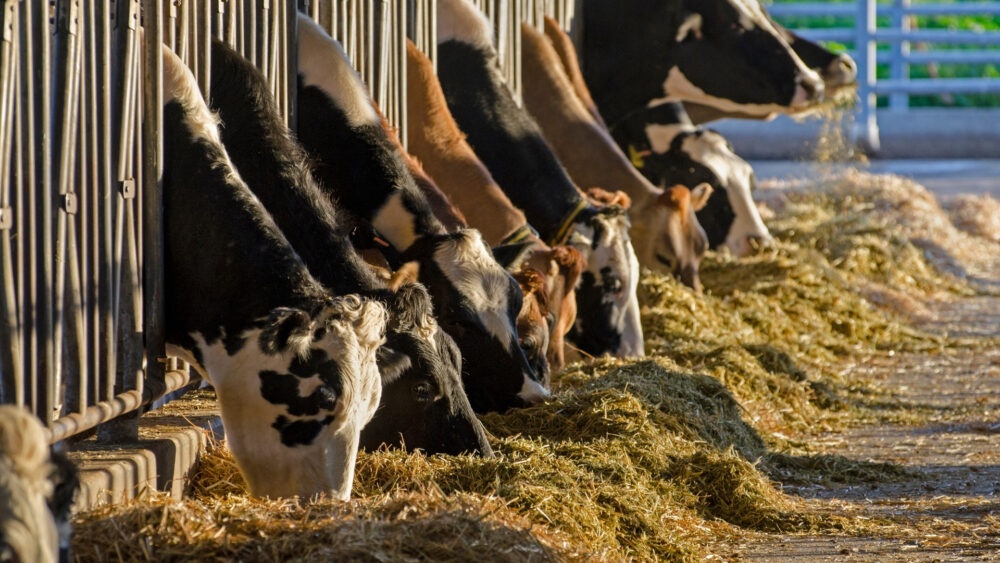
In the animal feed sector, Palmitic Acid 85% is a critical energy source, particularly for high-performance livestock such as dairy cattle. Research has demonstrated that incorporating fatty acids like Palmitic Acid 85% into feed can improve milk fat content and overall energy balance, addressing the increasing demand for efficient and productive livestock nutrition strategies.

In the cosmetics industry, Palmitic Acid 85% is widely used as an emollient and texturizing agent. Its ability to impart smoothness and softness to the skin makes it a common ingredient in lotions, creams, and soaps. Additionally, its saturated structure offers a longer shelf life, contributing to the stability of cosmetic products over time.

From an environmental perspective, Palmitic Acid 85% stands out for its sustainable sourcing. Derived from palm oil—one of the most productive oil crops globally—it supports high yields per hectare compared to alternative oil sources. According to industry reports, palm oil produces up to 10 times more oil per hectare than crops like soybeans, making it a more resource-efficient choice. When sourced from responsibly managed plantations, Palmitic Acid 85% aligns with sustainability goals, offering an eco-friendly alternative for industries seeking renewable raw materials.

Its diverse applications and sustainable origins position Palmitic Acid 85% as a versatile and indispensable ingredient in animal feed, cosmetics, and industrial manufacturing, meeting the demands of modern industries while supporting environmental stewardship.

Key Benefits of Palmitic Acid 85%

Enhances Energy Density in Feed
Palmitic Acid 85% is widely used in animal feed due to its ability to increase energy density. This is particularly beneficial in diets for dairy cattle, as it helps improve milk production and supports overall animal health.

A Reliable Ingredient for Industrial Use
Industries rely on Palmitic Acid 85% for its stability and high melting point. These properties make it ideal for producing lubricants, plasticizers, and surfactants.

A Sustainable Choice
Sourced from renewable plant oils, it is a sustainable option that aligns with eco-friendly practices, particularly in cosmetics and food production.

Applications

Animal Feed Production
Palmitic Acid 85% is an essential ingredient in ruminant feed, providing a concentrated energy source. It plays a critical role in maintaining the energy balance in dairy cattle, boosting milk fat content, and improving overall productivity.

Cosmetics and Skincare
As an emollient, it can be used in lotions, creams, and soaps. Its ability to smooth and soften skin makes it a preferred choice for high-quality skincare products.

Industrial Manufacturing
Palmitic Acid 85% is used as a base material in producing detergents, lubricants, and plasticizers. Its chemical stability ensures consistent performance in demanding industrial processes.

Environmental Impact and Sustainability

This ingredient contributes to sustainable practices in industries striving to minimize their carbon footprint. Derived from palm oil plantations that adhere to responsible sourcing standards, this compound supports renewable material use while delivering high performance in its applications.

Why Choose Valudor for Palmitic Acid 85%?

Valudor is a trusted supplier of Palmitic Acid 85%, known for providing high-quality chemical ingredients to a global clientele. With rigorous quality control, we ensure that our products meet the highest standards for consistency and effectiveness. Our expertise and customer-focused approach make us the ideal partner for your industrial and commercial needs.

Conclusion

Palmitic Acid 85% is an indispensable ingredient across various industries, from agriculture to cosmetics and beyond. To source high-quality Palmitic Acid 85% for your operations, contact Valudor today at info@valudor.com or (760) 635-8500.

Get to Know Valudor®


Palmitic Calcium Salt: Enhancing Livestock Productivity

Palmitic Calcium Salt: Enhancing Livestock Productivity


November 20th, 2024

What is Palmitic Calcium Salt?

Palmitic Calcium Salt, a calcium-based fat supplement, has emerged as an indispensable component in modern livestock nutrition, particularly for dairy cattle. This compound synergizes the energy-dense properties of palmitic acid with the structural and metabolic benefits of calcium, creating a dual-function additive that optimizes both energy supply and overall health. Research indicates that lactating dairy cows require a consistent supply of dietary energy to sustain milk production and avoid metabolic disorders, particularly during the early lactation period when energy demands are at their peak.

Palmitic Calcium Salt addresses this challenge by providing a concentrated source of bypass fat, designed to avoid rumen degradation and deliver energy directly to the intestine for efficient absorption. Studies show that feeding dairy cows with calcium salts of fatty acids, such as Palmitic Calcium Salt, can increase milk fat yield by up to 0.8% and improve total milk production by approximately 2-4 kg per day. These gains are particularly valuable in the context of global dairy markets, where optimizing milk yield directly correlates with profitability.

Moreover, the calcium in this supplement plays a vital role in maintaining skeletal health and supporting metabolic functions. Calcium deficiency, common in high-producing dairy cows, can lead to conditions such as milk fever, reducing overall productivity. By combining the benefits of enhanced energy delivery and calcium supplementation, Palmitic Calcium Salt not only supports milk production but also promotes long-term animal health, enabling farmers to achieve sustainable herd management practices.


Key Benefits of Palmitic Calcium Salt

Improved Milk Yield and Quality
Palmitic Calcium Salt boosts milk production by enhancing the energy content in the feed. Higher energy intake translates to increased milk fat content and overall yield.

Optimal Energy Balance
In lactating cows, maintaining energy balance is critical for health and productivity. Palmitic Calcium Salt helps bridge the energy gap, reducing the risk of metabolic disorders.

Better Calcium Absorption
The calcium in Palmitic Calcium Salt supports strong bones and overall health in livestock. This dual-action ingredient combines energy and nutritional support.

Applications

Dairy Cattle Feed
Palmitic Calcium Salt is extensively used in feed formulations for lactating dairy cows. It enhances nutrient absorption, improves energy efficiency, and promotes milk production.

Livestock Health Management
By providing a concentrated energy source, Palmitic Calcium Salt ensures that livestock maintain optimal health and productivity, even under intensive farming conditions.

Feed Formulations
Manufacturers incorporate Palmitic Calcium Salt into customized feed solutions tailored to the nutritional needs of different livestock categories.

Sustainability in Livestock Nutrition

Palmitic Calcium Salt contributes to sustainable farming by improving feed efficiency. This leads to higher productivity per animal while reducing overall feed input. Sourcing sustainable feed additives like Palmitic Calcium Salt is crucial for modern agricultural practices.

Why Choose Valudor?

Valudor delivers premium-quality Palmitic Calcium Salt that meets stringent quality standards. Our team works closely with clients to ensure that their feed formulations achieve maximum effectiveness. With a global distribution network and commitment to customer satisfaction, Valudor is your trusted partner in livestock nutrition.

Conclusion

Palmitic Calcium Salt is a critical ingredient for boosting livestock productivity and ensuring optimal nutrition. For reliable supply and expert guidance, contact Valudor today at info@valudor.com or (760) 635-8500.


Get to Know Valudor®


Privacy Settings
We use cookies to enhance your experience while using our website. If you are using our Services via a browser you can restrict, block or remove cookies through your web browser settings. We also use content and scripts from third parties that may use tracking technologies. You can selectively provide your consent below to allow such third party embeds. For complete information about the cookies we use, data we collect and how we process them, please check our Privacy Policy
Youtube
Consent to display content from - Youtube
Vimeo
Consent to display content from - Vimeo
Google Maps
Consent to display content from - Google
Sign into customer portal